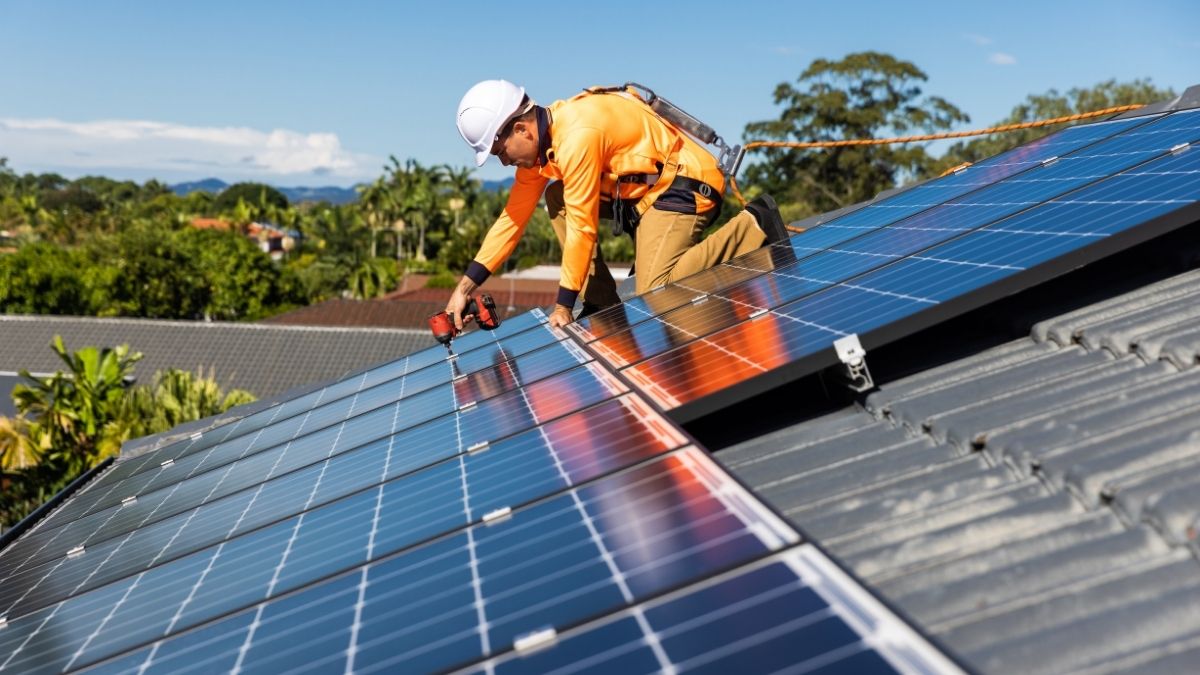
Why solar energy is becoming a common sight across Scotland
It is a common joke among those of us living north of the border that summer in Scotland usually lasts about a weekend, and even then, it is likely to rain. Because of this, many homeowners have historically dismissed the idea of renewable energy as something better suited to the sun-drenched plains of Spain or the deserts of Australia. However, if you take a drive through any Scottish suburb today, you will notice something has changed. Rows of sleek, dark panels are appearing on rooftops from Gretna to Grampian. People are starting to realise that Solar panels Scotland are not just a viable option; they are actually one of the smartest investments a homeowner can make in the current climate.
The shift in perspective has been driven by a combination of rapidly improving technology, rising energy costs, and a better understanding of how solar energy actually works. You do not need scorching heat or constant blue skies to generate electricity. In fact, solar panels are powered by daylight, not heat. On a typical overcast Scottish day, the clouds might filter the light, but they do not stop it. Modern photovoltaic cells are incredibly efficient at capturing this diffused light and converting it into usable power for your kettle, your washing machine, and your home office.
Understanding how solar panels handle the Scottish climate
One of the most surprising facts for many people is that solar panels actually perform better in cooler temperatures. Like most electronic equipment, they can lose efficiency if they get too hot. The temperate, often breezy Scottish climate helps keep the panels at an optimal operating temperature, which can sometimes lead to better performance than panels installed in much hotter countries. While we have shorter days in the winter, the long daylight hours during a Scottish summer are a massive advantage. In June and July, Scotland enjoys significantly more daylight than the south of England, allowing systems to bank a huge amount of energy during the middle of the year.
When considering the installation of solar panels Scotland, it is also worth noting that rain is actually quite helpful. Dust and debris can settle on the surface of the glass, slightly reducing the amount of light that reaches the cells. The frequent Scottish showers act as a natural cleaning service, rinsing away dirt and ensuring the panels stay as efficient as possible without the need for homeowners to climb onto the roof with a bucket and sponge.
Key benefits of making the switch to solar
- Significant reduction in monthly electricity bills by using your own generated power.
- Protection against the volatility of the global energy market and future price hikes.
- The ability to earn money by selling excess energy back to the national grid.
- A substantial decrease in your household carbon footprint.
- Increasing the overall value and energy efficiency rating (EPC) of your property.
The financial side of going solar in Scotland
Let’s talk about the aspect that most people care about the most: the money. With energy prices remaining high and unpredictable, the desire for energy independence has never been stronger. When you install solar panels, you are essentially pre-purchasing your electricity for the next 25 to 30 years at a fixed, much lower rate. Once the initial installation cost is covered, the energy generated is effectively free. Most Scottish households find that they can cover a significant portion of their daily electricity needs through their own generation, especially if they are mindful of when they use high-energy appliances.
Furthermore, the Smart Export Guarantee (SEG) allows you to get paid for any electricity you do not use. If your panels are producing more power than your home needs, that surplus is sent back to the grid, and your energy supplier pays you for it. While the rates vary between providers, it adds an extra layer of financial return that helps the system pay for itself even faster. In Scotland, there are also various schemes and interest-free loans often available through organisations like Home Energy Scotland, designed to help homeowners manage the upfront costs of green energy transitions.
What makes a home suitable for solar?
- A roof that faces south, east, or west (south is optimal, but others are still very effective).
- Minimal shading from nearby trees, chimneys, or taller buildings.
- A roof structure that is in good condition and capable of supporting the weight of the panels.
- Enough internal space for an inverter and, optionally, a battery storage unit.
The role of battery storage in a Scottish home
While solar panels on their own are excellent, the real game-changer for many Scottish residents is the addition of a battery storage system. The main challenge with solar has always been that we tend to generate the most power during the day when we are at work, and we use the most power in the evening when the sun has gone down. Without a battery, that daytime energy is sent to the grid. With a battery, you can store that power and use it to run your lights, TV, and appliances throughout the night.
This is particularly useful in Scotland where winter days are short. A battery allows you to maximise every single drop of daylight captured during the few hours of sun we get in December. Some modern battery systems are even smart enough to charge themselves from the grid during the night when electricity prices are at their lowest (on off-peak tariffs), then discharge that cheap energy during the day if the weather is particularly gloomy. This level of control over energy consumption was unimaginable a decade ago but is now a standard part of a high-quality solar installation.
Choosing the right setup for your property
Every home is different, and there is no one-size-fits-all approach to solar energy. The number of panels you need will depend on your annual electricity usage and the size of your roof. A typical domestic system in Scotland might range from 10 to 16 panels, providing roughly 4kW to 6kW of power. Professional installers will usually conduct a thorough survey to determine the best orientation and tilt for your panels to ensure you get the maximum yield possible. They will also look at the ‘string’ of the panels, ensuring that if one part of the roof is slightly shaded at a certain time of day, it doesn’t shut down the performance of the entire system.
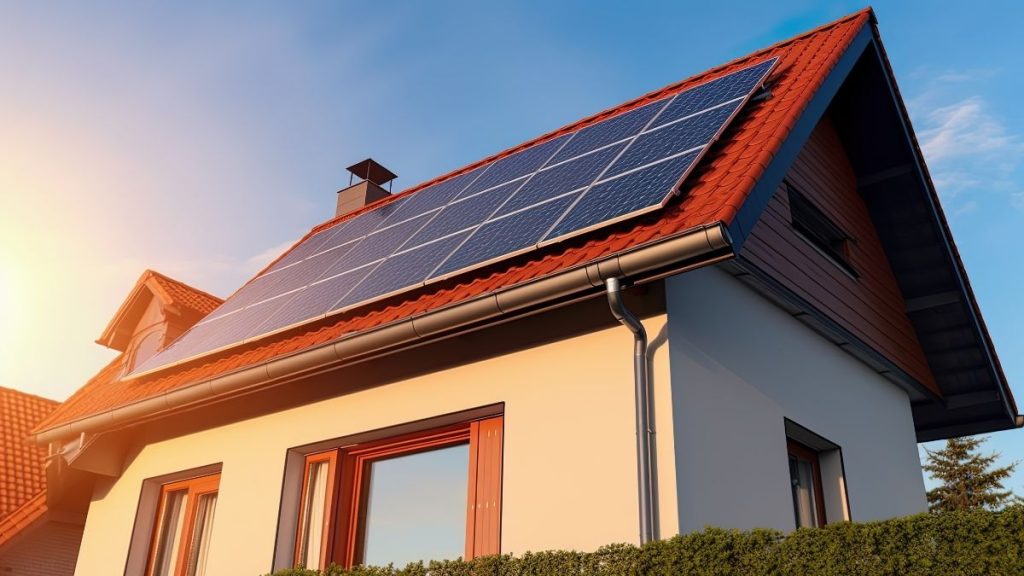
It is also worth considering the aesthetic impact. Modern panels are much more attractive than the bulky, silver-framed versions of the past. Many homeowners now opt for ‘all-black’ panels which have a sleek, low-profile appearance that blends in much better with traditional Scottish slate or tile roofs. This has helped overcome some of the aesthetic objections that people previously had about changing the look of their homes.
Common questions about the installation process
- Most installations are completed within one to two days with minimal disruption.
- Scaffolding is usually required for safety but is removed shortly after the job is done.
- In most cases, solar panels fall under ‘permitted development’, meaning you don’t need planning permission.
- The system is almost entirely automated; once it is switched on, you don’t need to do anything.
Maintaining a solar system in Scotland is remarkably straightforward. Because there are no moving parts, there is very little that can go wrong. Most inverters come with long warranties, and the panels themselves are designed to withstand the harshest Scottish gales and snowfalls. Monitoring your system has also become much easier; most modern setups come with a smartphone app that allows you to see in real-time how much energy you are generating, how much you are using, and how much is stored in your battery. This data often encourages people to become even more energy-efficient, as they can see the direct impact of turning off a light or delay starting the dishwasher until the sun comes out.

A food writer and culinary researcher, Tom specialises in traditional British cuisine, with a particular focus on the history and evolution of fish and chips.